Additional menu
Be True. Be Strong. Be Focused.
You're Invited to Join Us for this Free Webinar:
Maybe I’m Autistic or Neurodivergent…Now What?
A free conversation about women, autism, masking, late discovery, and what comes next.
Autism and other forms of neurodivergence can show up differently in women and girls. Masking, social expectations, and diagnostic models historically shaped around boys and men can make female autism particularly difficult to recognize.
For some women, that means reaching their 30s, 40s, 50s, or beyond before finally
asking: Wait. Could I be autistic?
Maybe you've spent years feeling different without knowing why. Maybe you've become exceptionally good at reading the room, adapting to other people, rehearsing what you're going to say, or appearing completely capable while privately feeling exhausted or overwhelmed.
Discovering the possibility of autism or neurodivergence doesn't just answer questions. It creates new ones.
Does any of this sound familiar?
You might benefit from this conversation if you find yourself asking:
Could I be autistic and not know it?
What does autism look like in adult women?
Am I masking without realizing it?
Can I be autistic if I'm good with people and make eye contact?
Why am I so exhausted after being around people?
Why have I always felt different even though I appear successful?
Is this autism, ADHD, anxiety, trauma, or some combination?
Why wasn't this noticed when I was a child?
Why do I rehearse conversations before I have them?
Why do sounds, textures, lights, crowds, or certain environments affect me so strongly?
Why can I function extremely well until suddenly I can't?
What does autistic burnout feel like?
Is pursuing an autism diagnosis in my 40s, 50s, or later worth it?
What happens if I stop masking?
Who am I underneath the mask?
If you recognize yourself or someone you love in several of these questions, we invite you to join us.
A different kind of conversation.
There's a saying in the autism community: “If you've met one autistic person, you've met one autistic person.”
That's important.
The tremendous variation among autistic people is one reason recognition and diagnosis can be complicated, particularly for women whose lives don't match outdated stereotypes.
Lyn and Annie will co-host this free webinar, with Annie sharing both her lived experience as an autistic woman and perspectives from her professional background, including her two Ph.D.s and her current work as a Shamanic practitioner.
This isn't about diagnosing anyone during a webinar.
It's about understanding yourself more clearly, asking better questions, exploring what masking and neurodivergence can look like, and discovering useful next steps if something you're hearing feels remarkably familiar.
Perhaps most importantly, we want to create a space where you don't have to perform, explain yourself perfectly, or already know the answers.
Simply come curious.
Can't attend live? Register anyway, and we'll send you the recording.
And please pass this invitation along to someone who might finally hear something in this conversation that helps make sense of their own experience.
We hope you'll join us.
Meet Your Hosts
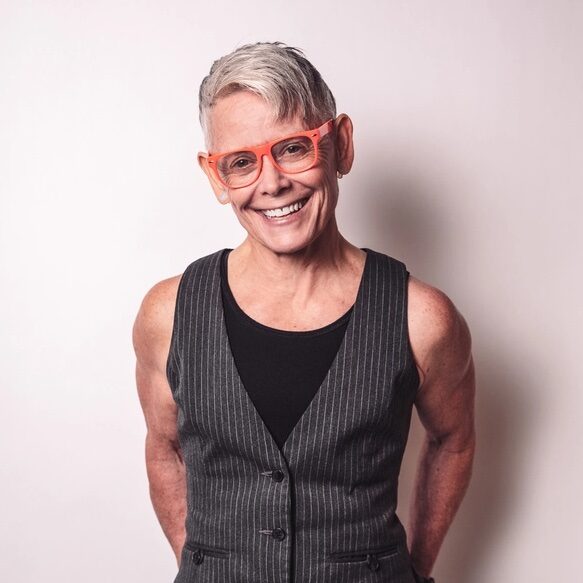
Lyn Christian
SoulSalt Founder & Master Certified Coach
Master life-coach, Lyn Christian, has helped people for nearly three decades to uncover the infallible elements that, when mapped and used for guidance, reveal their worth to themselves and to the world. Once these elements are revealed, Christian’s clients have increased their sense of self, raised their level of confidence, improved connection, and created a path to purpose and personal fulfillment. Christian calls these unique and personal elements the salt of the soul, or Soul Salt.
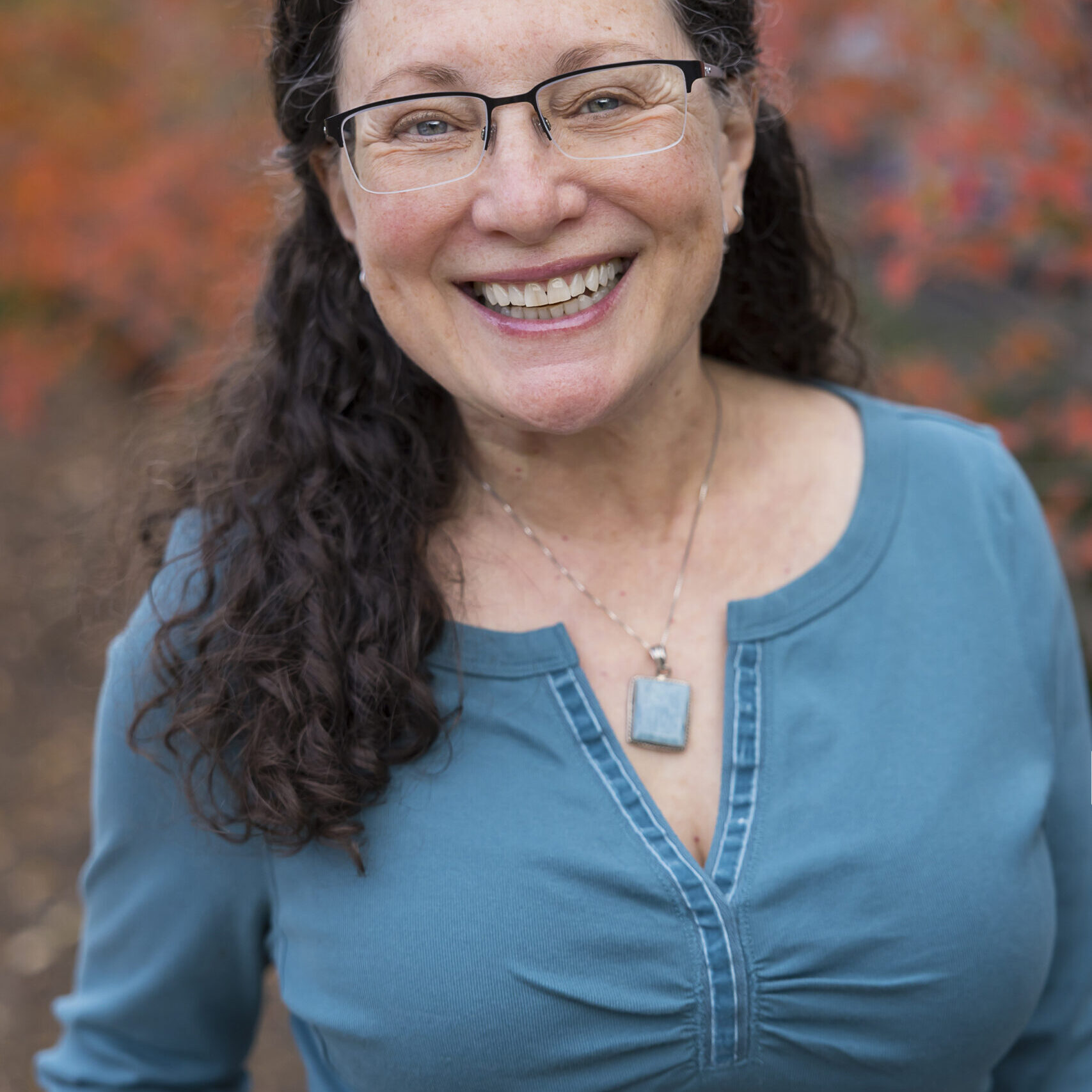
Annie Drewry, Ph.D.
Shamanic Practitioner, Ordained Spiritual Minister, and Certified Spiritual Practitioner
Annie Drewry is the founder of Soul Song Healing Guidance, a shaman, intuitive guide, award-winning artist, and published author with more than 35 years of experience supporting personal transformation, self-discovery, and spiritual evolution.
Grounded in the belief that our deepest wisdom already resides within us, Annie integrates shamanic practices, intuitive guidance, energetic awareness, and self-inquiry to help people move beyond conditioning and external expectations and reconnect with their authentic selves.
Her work creates a supportive space for individuals to reclaim their voice, deepen trust in their intuition, strengthen their inner authority, and cultivate a more conscious relationship with themselves, their spiritual path, their purpose, and the life they choose to create.
Register for this webinar
Footer
Some Cool Things About US