The Work That Makes Love Possible
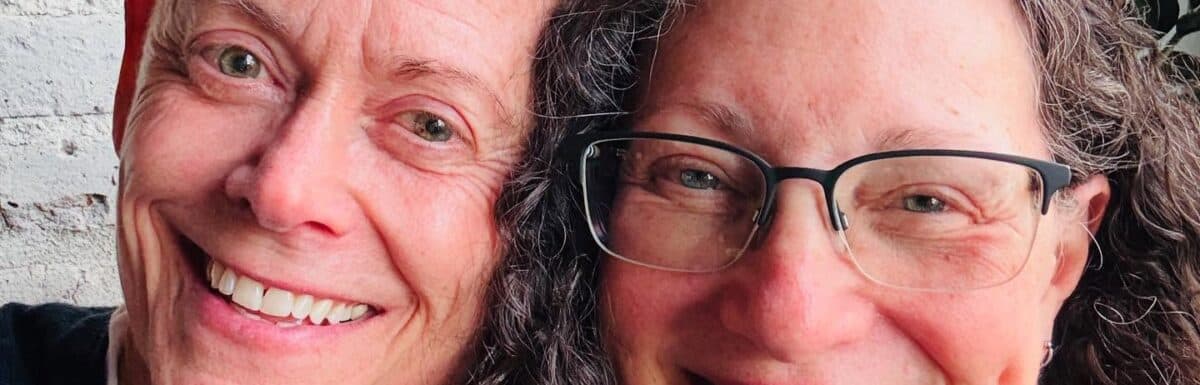
2025 was the year when Annie and I came together. It was our time of finding one another. Some might call it fate. We know it happened because we both independently completed deep, soul work.
That work is the secret to the incredible connection and relationship we have. That work made the difference between knowing what true, healthy love is and what it is not. It made it possible for us not just to fall in love, but to find the love of a lifetime.
This is a story about how inner healing, self-acceptance, and emotional maturity change not only who we love, but how love actually works.
For years, we separately did the unglamorous, often lonely labor of building self-acceptance and tending to our mental and emotional wellness. We looked at our patterns. We faced our shadows. We healed old wounds.
Neither of us expected that this relationship would carry us or heal us. That was our individual responsibility. And we shouldered our own burdens in our own way.
Once we did our own work, the karmic relationships and the personally imposed mysteries of finding compatibility were solved.
If you can relate to karmic relationships or you’re trying to solve your own compatibility mysteries, you’re among millions of people.
A Lie We Buy About Love
Often we’re taught that true love arrives as lightning and chemistry. If you feel titillating emotions for someone, we’re led to believe that the relationship is “right” for us.
Sometimes the this must be right because of how I feel dynamic can trick us into thinking that the future of the relationship should be effortless, consuming, and well-fated.
Unfortunately, this way of thinking leaves out an essential ingredient:
When we’re unhealed, we don’t fall in love. We collide with other unhealed parts of another.
Often, what can pass as passion is nervous-system familiarity. Our old pain recognizes itself in another, making the connection feel exciting and promising.
Yet, sadly, many such relationships eventually leave couples in a mess of their own making.
Many Wise Voices Concur
I’m not making this up. As usual, I look across disciplines at findings by experts. In the case of this topic, their insights remarkably align with my own experience.
Carl Jung warned us plainly: “Until the unconscious is made conscious, it will run our lives and we’ll call it fate.”
For me, shadow work wasn’t, and still isn’t, self-improvement. It’s an ongoing adventure in self-honesty. When we discover, heal, and integrate what we’ve allowed to remain below the surface, we stop projecting it onto our partnerships.
As my self-honesty increased, I became more aware of how much another person was revealing, and how much they were hiding from themselves.
Which brings me to my next source.
Dr. Ramani Durvasula teaches that healing raises our tolerance for truth and lowers our tolerance for dysfunction. That has been profoundly true for me.
As my self-respect grew, my attraction patterns changed. Limerence lost its grip. Chaos and discord stopped feeling familiar. Acts of unkindness and self-absorption were named and placed within firm boundaries.
As self-trust increased, ego took a back seat. That’s when another teacher’s wisdom became clear.
Eckhart Tolle teaches that many relationships are manifestations of the ego seeking relief from pain. When ego is quieted, love becomes simpler, steadier, truer, and more earnest.
Peace and harmony follow—not because love is perfect, but because both people are committed to personal growth and partnership rather than ego defense.
Across perspectives, the common thread is this:
Healthy partnership emerges not from chemistry alone, but from the courage to meet ourselves honestly before meeting another.
This Is Why It Worked for Me
When I got serious about finding true love, I got serious about improving my relationship with myself.
I took responsibility for how my life was designed and what I placed into it. Some of this required self-acceptance. Another part required discarding victimhood and blame in favor of free will and choice.
That work increased my self-respect.
And when I say self-respect, I don’t mean bravado or confidence theater. I mean this:
When we accept ourselves, when we love who we are, we won’t settle.
We won’t place ourselves in the hands of someone who can’t, or won’t, recreate love, compassion, and mutual regard.
I’m talking about a gritty refusal to abandon myself.
Radical honesty about my shadows.
Responsibility for where I am and what my life looks like.
Practically speaking, I grew away from old patterns:
I set clear boundaries without cruelty
I regulated my emotions and reduced reactivity
I built the capacity to be alone and create my own inner safety and happiness
I stayed present through discomfort until I could release myself on my own terms
When Annie and I found each other, we met with this foundation already built.
Our relationship wasn’t a rescue mission.
It wasn’t an apology tour for unhealed behavior.
It was, and is, nurturing, honest, and open. Even in the hard moments.
Why Compatibility Feels Calm, Not Dramatic
There were sparks of attraction when Annie and I met. But more importantly, there was alignment.
There was recognition.
Conversation flowed without performance.
Differences didn’t feel threatening.
Silence didn’t need filling.
Repair felt possible instead of catastrophic.
That’s not luck.
That’s what happens when two people aren’t asking each other to heal what they’ve already healed themselves.
The Quiet Truth
Love didn’t save us.
Our work made love possible.
When you do your shadow work, tend your wounds, and build real self-respect, you don’t just change who you attract.
You change how love shows up:
Less drama
More truth
Less grasping
More peace
And that kind of love doesn’t burn hot and fast.
It lasts.
Here’s the takeaway from this Guidepost
If relationships keep feeling hard, chaotic, or confusing, the answer may not be try harder.
It may be go inward first.
Do the work.
Then see who meets you there.
If you want support getting started, you’re welcome to sign up for a free discovery call. I may not be the answer, but in one simple session, we can clarify where you are, where you want to go, and what kind of support will serve you best.